
Timor-Leste’s foreign policy options within China’s Belt and Road 2.0: a small state perspective
2025-01-05
Artigo publicado no jornal científico The Pacific Review
Ler o artigo completo:
https://doi.org/10.1080/09512748.2025.2608975
ABSTRACT
Within the intricate tapestry of global geopolitics, this paper critically explores Timor-Leste’s complex engagement with China’s Belt and Road Initiative (BRI), particularly in the context of the evolving BRI 2.0. Despite extensive scholarly attention on the BRI’s broader implications, a significant gap remains in under standing how small and resource-constrained states like Timor-Leste strategi cally leverage such initiatives to their advantage. The paper addresses this gap whilst attempting to answer the following research question: “To what extent does Timor-Leste’s 2017 BRI membership maximise its small state condition?”. It analyses Sino-Timorese relations and BRI 2.0 engagements from 2017 to 2025 through a qualitative case study, employing document analysis and expert interviews, underpinned by small state theory. The findings reveal Timor-Leste’s pragmatic and strategic balancing act. Not only it optimises development opportunities, but also bolsters regional standing by meticu lously weighing economic benefits against potential risks, ultimately enhancing its small state agency.
ARTIGOS RELACIONADOS

2026-01-30
Interview: Unilateral U.S. actions risk destabilizing global order, historian warns
2026-01-23
Portugal deve resistir a pressões para reduzir relações com a China, alerta Martins da Cruz

2025-01-05
Timor-Leste’s foreign policy options within China’s Belt and Road 2.0: a small state perspective

2025-01-02
China's new plan, world's new opportunities
2025-10-09
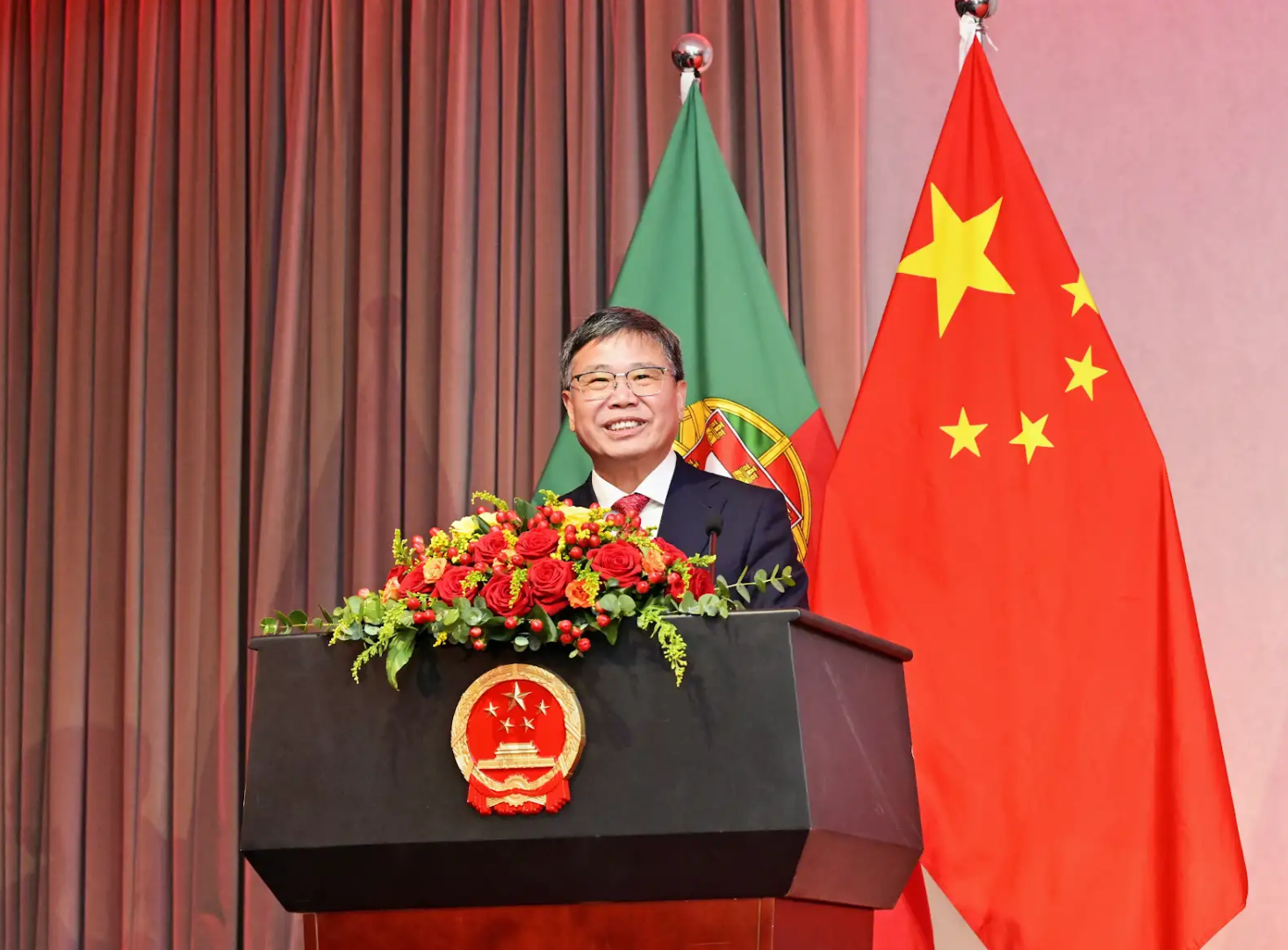
Discurso do Embaixador Zhao Bentang por Ocasião do 76º Aniversário da República Popular da China
2025-09-10
Textos referentes à Iniciativa de Governação Global (GGI)

2025-08-09
Iniciativa Mundial da Juventude pela Paz

2025-07-25
中欧建交50周年:提升全面战略伙伴关系新高度
2024-12-30
25 Anos de criação da RAEM – Construção do Futuro de Macau no respeito pelo passado
2024-05-30
Porque a China é essencial para o futuro compartilhado da humanidade

2024-02-07
Relações Portugal-China, 45 anos de Desenvolvimento

2024-02-07
Discurso Do Embaixador Zhao Bentang, No 45º Aniversário Do Estabelecimento De Relações Diplomáticas Entre A China E Portugal
2024-01-29
A Maioria dos eleitores de Taiwan votaram contra a separação da China
2024-01-03
Discurso do presidente Xi Jinping pela passagem do ano novo de 2024
2023-12-11
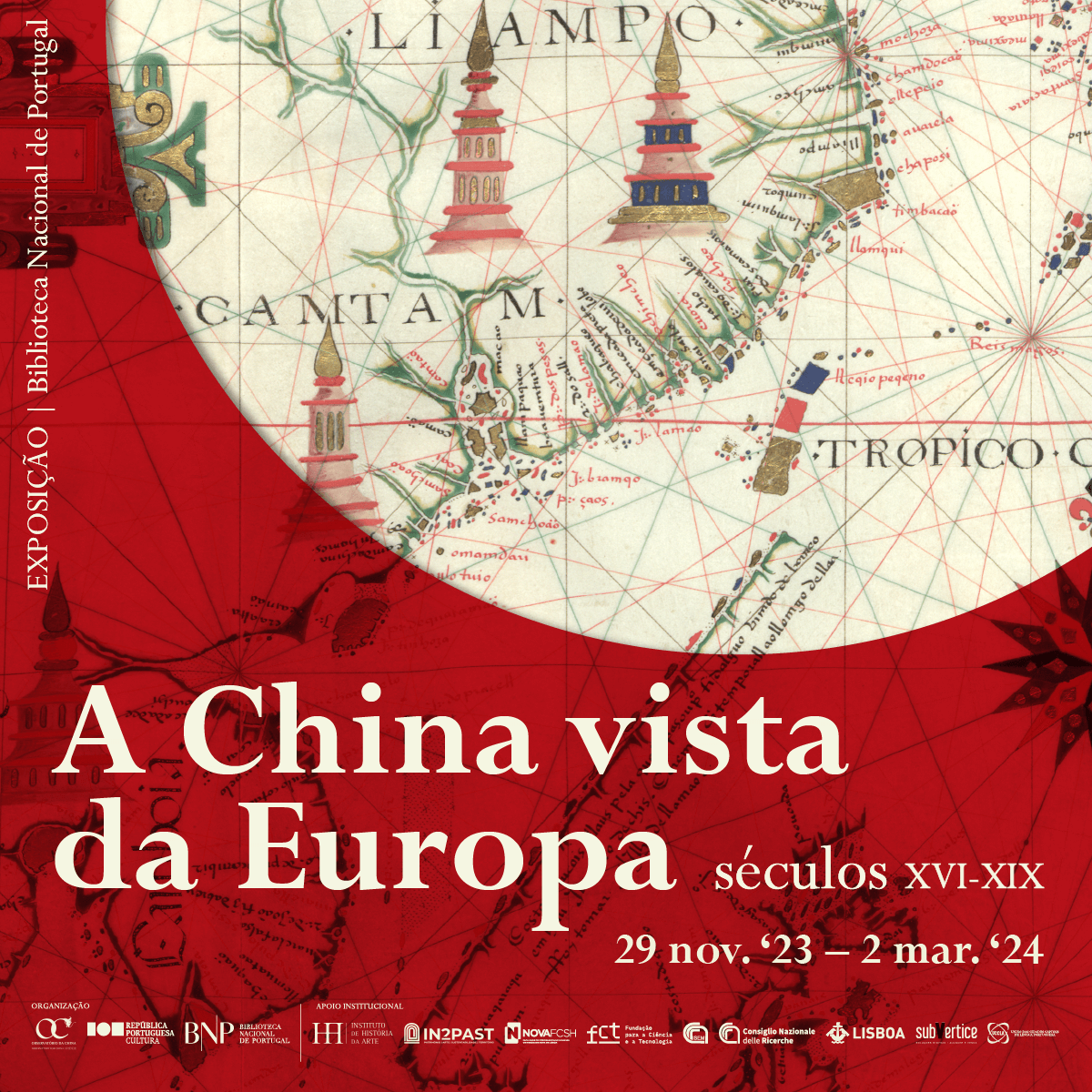
Conhecimento e Cultura aproximam Portugal e China: A China vista da Europa: séculos XVI-XIX

2023-12-07
A cimeira UE-China, uma oportunidade para reconstruir a paz e a cooperação na Eurásia

2023-11-24
Macau e o reencontro

2023-11-17
A China e o decoupling americano e o de-risking europeu

2023-01-06
Qual é a posição da China em relação ao conflito Rússia-Ucrânia?

2023-03-15
Os três pilares da China para a mesa negocial da guerra e da paz na Eurásia

2020-02-20
As conquistas ambientais da China não podem ser negligenciadas pelo Ocidente
Publicação: Global Times